
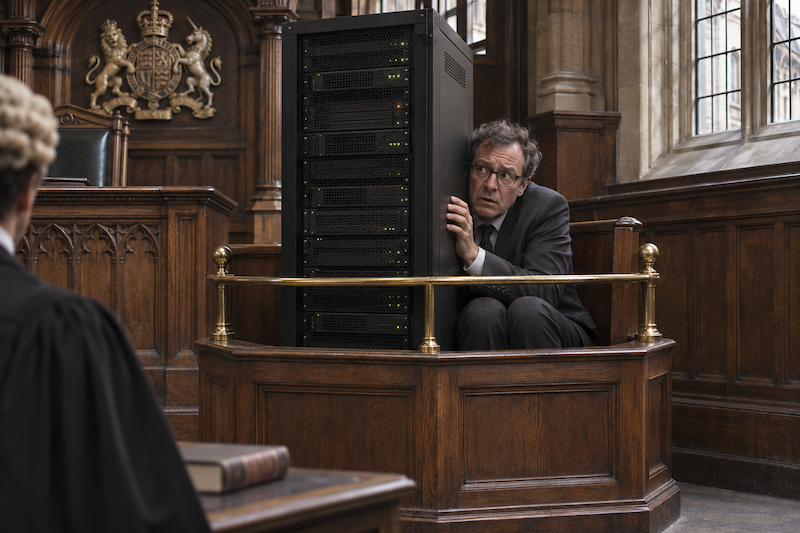
At the recent Bond Solon Expert Witness Conference, Mrs Justice Joanna Smith, interim Deputy President of the High Court’s Business and Property Division, urged expert witnesses to discuss their intended use of AI with instructing solicitors and to disclose it where appropriate.
The Civil Justice Council has recommended a new declaration where an expert uses AI to “generate or influence the substantive content of his or her report”. The rule change is a proposal. Her advice was to start those conversations now.
The judge drew a distinction between routine use, including AI embedded in everyday software, and use that shapes the substance of the evidence. Under the proposal, routine administrative use would generally fall outside the declaration. AI used as part of the expert’s methodology or substantive analysis would come within it. What matters is the effect on the report. An AI summary may look like an administrative shortcut, but relying on it can affect the evidence if it leaves out a material fact.
“…the integrity of expert evidence, including the need for proper scrutiny of the expert’s methodology and the maintenance of a level playing field between experts, requires a degree of transparency around the use of AI which can only be achieved by the introduction of a new AI use specific declaration. We have recommended a rule change to that effect,” said the judge.
“Importantly, that declaration would only be required where an expert has used AI tools to generate or influence the substantive content of his or her report – this will include where the AI use formed part of an expert’s methodology or substantive analysis.
“We have concentrated on the integrity of the expert output, together with the need for human accountability and verification. Where a declaration is required, we believe that it will need to provide sufficient information to facilitate effective scrutiny of the expert evidence. We envisage that this may include disclosure of the methodology used together with confirmation as to the appropriateness of AI use for that purpose and, exceptionally, but not always, the tool that has been used.”
My non-AI valuations
I sometimes use AI to put together a first draft of a vehicle model history, which I fact-check and edit myself. I regard that as background, but it is detailed in my own AI policy. Beyond that, I research the market, select and weigh the evidence, write the valuation analysis and reach the conclusion myself. That is what instructing solicitors and all of my clients need to know about how I work.
Perhaps I might give more weight to an older auction result than a more recent sale. The recent sale might have a replacement engine or a different restoration history. The older sale might tell something more about the subject vehicle before the court. If counsel asks why I preferred that evidence, or what would make me change my mind, I can explain the decision – because I made it.
As Mrs Justice Smith put it, “Responsibility will always remain with the expert witness.” When I step into the witness box, I’m there to defend work I did and an opinion I reached. This has been my process throughout my career and that process will not change.
Read Mrs Justice Joanna Smith’s full speech to the 2026 Expert Witness Conference here. Image © chatgpt 😉